
Sanjeev Varma, Hatem Elmougy, and I spent one summer imagining the mastery learning platform we wish we had growing up.
We went deep into Math Academy and Anki to understand how learning could be structured around prerequisites and long-term retention. I developed the system that tracked what a student remembered and mastered over time.
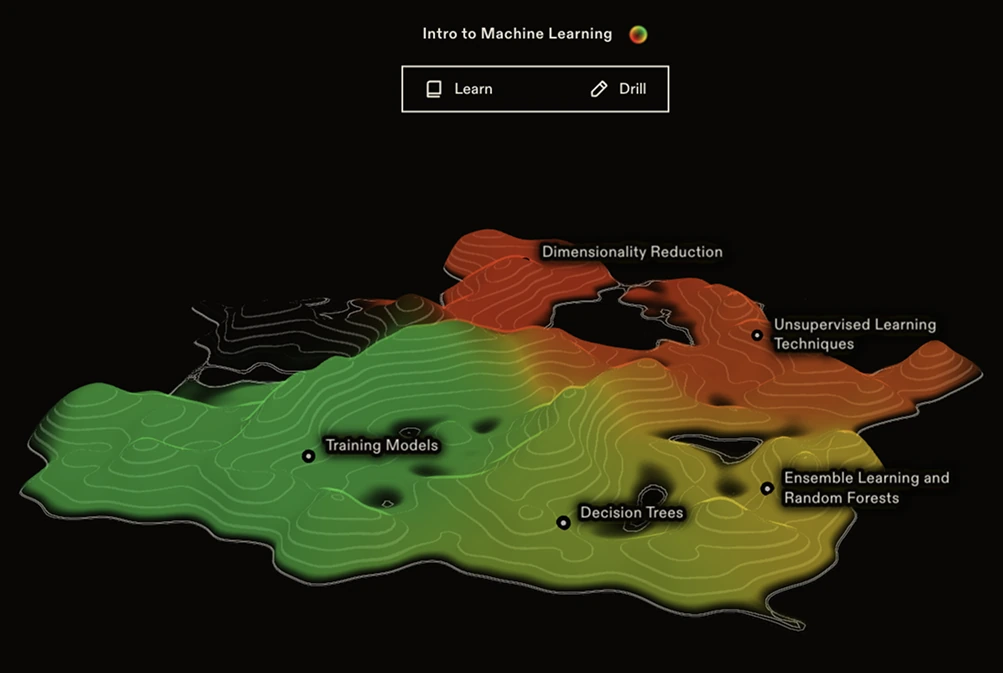
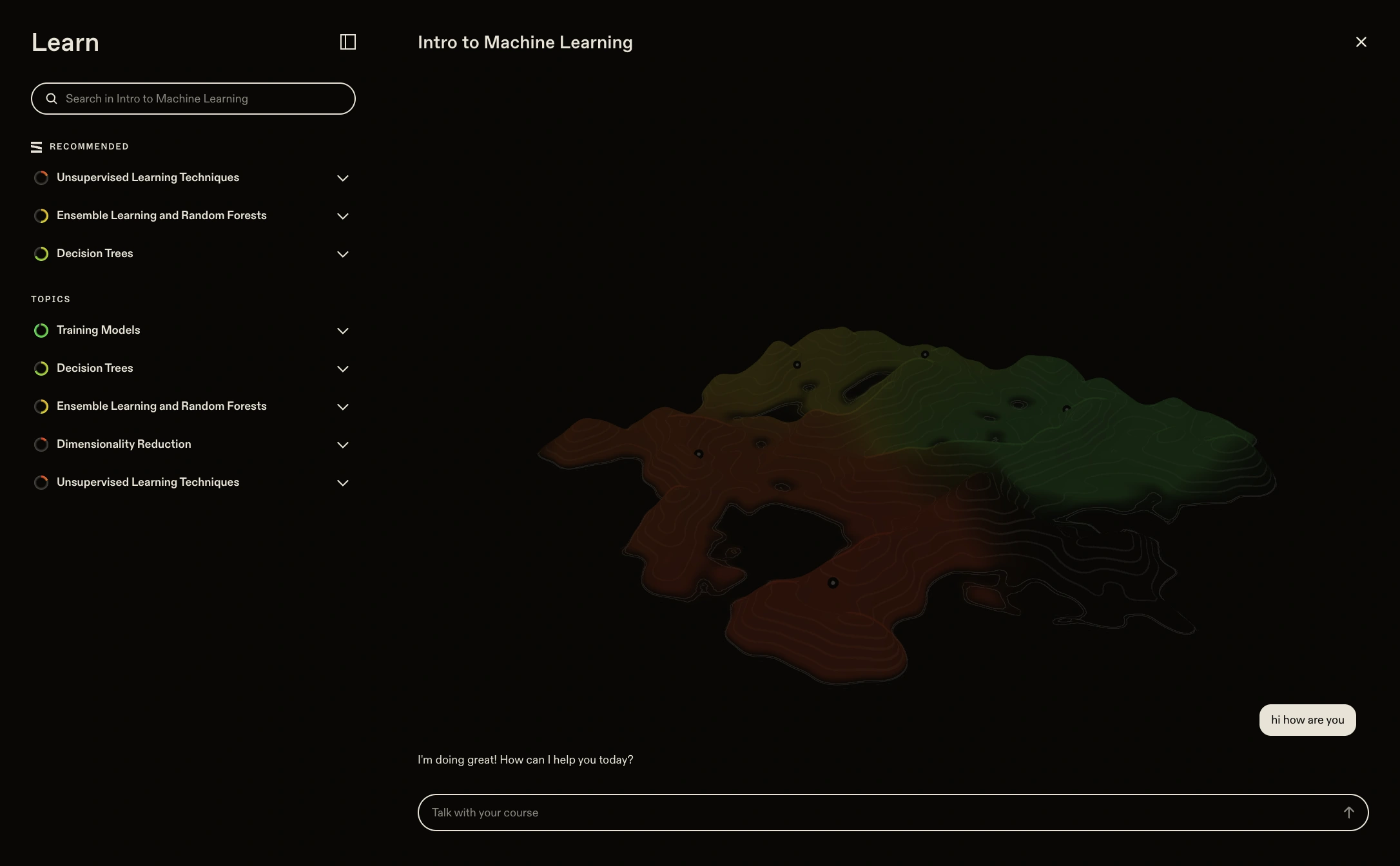
I worked closely with the team on the UI/UX, going through dozens of revisions and drafts. The island was our attempt to make an overwhelming knowledge graph of skills digestible for the average learner. The harder part was connecting that picture to the actual experience of studying.
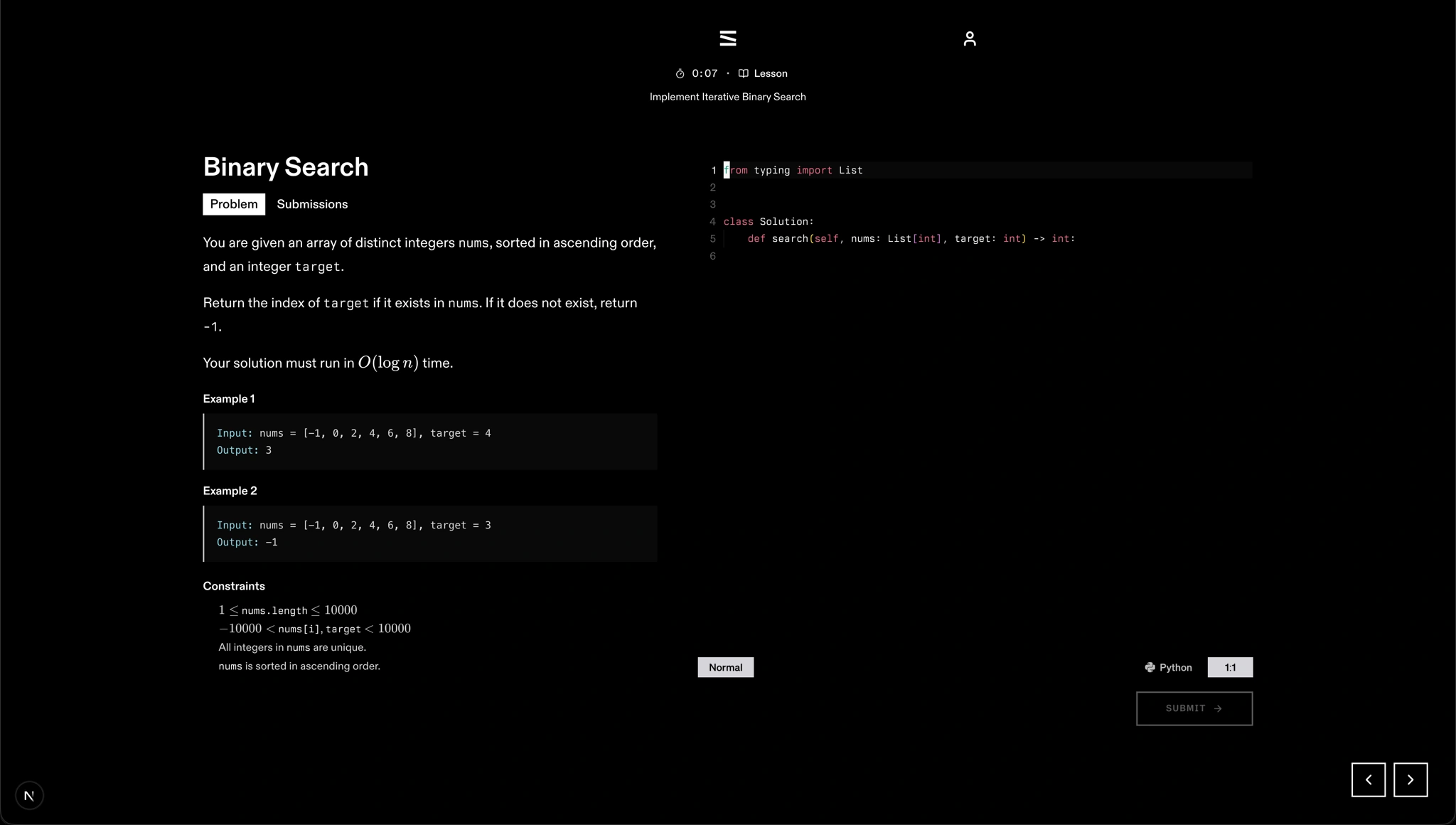
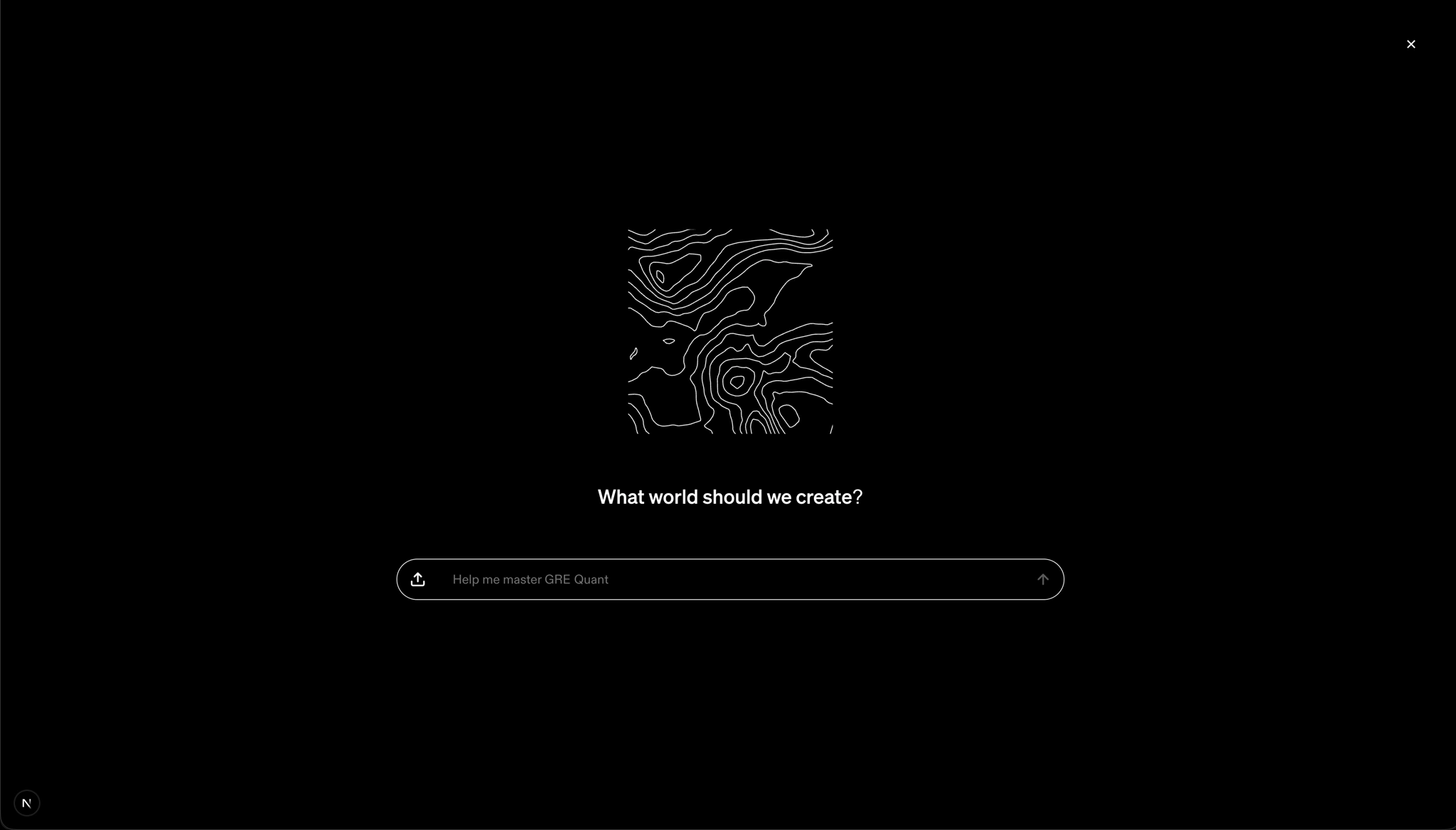
We presented Slate to classes and worked with professors at UF & USF using their own material. I prepared knowledge graphs from textbooks and helped design a research study. We paired student conversations with PostHog usage to understand whether people could find their way without us having to explain it.
It challenged a lot of our assumptions. An interesting learning model and a beautiful interface were not enough for people to return. We needed to concoct a blend of Socratic tutoring and spaced repetition that felt seamless and intuitive for every exam. We narrowed the scope and kept revising the experience around that.
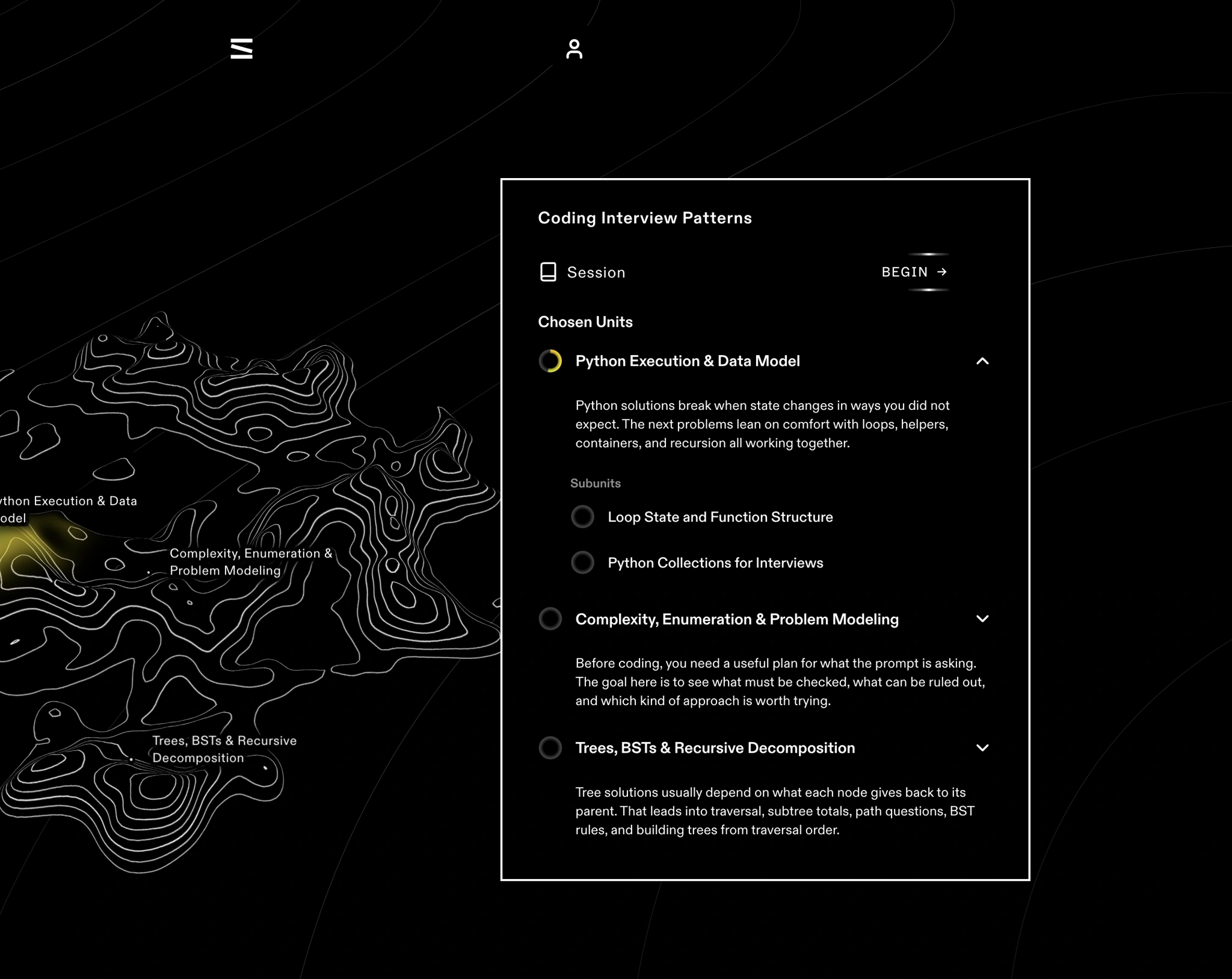
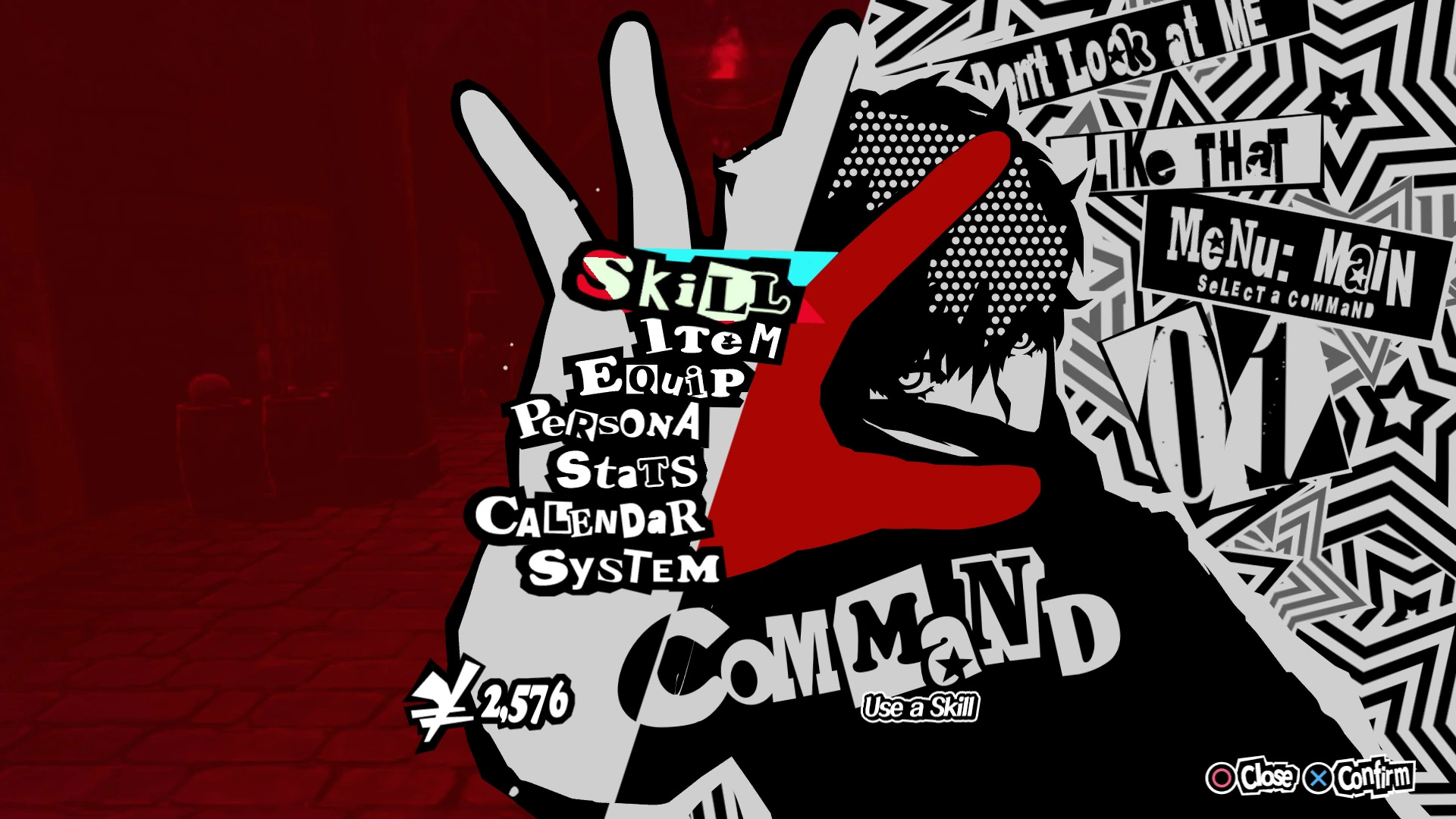
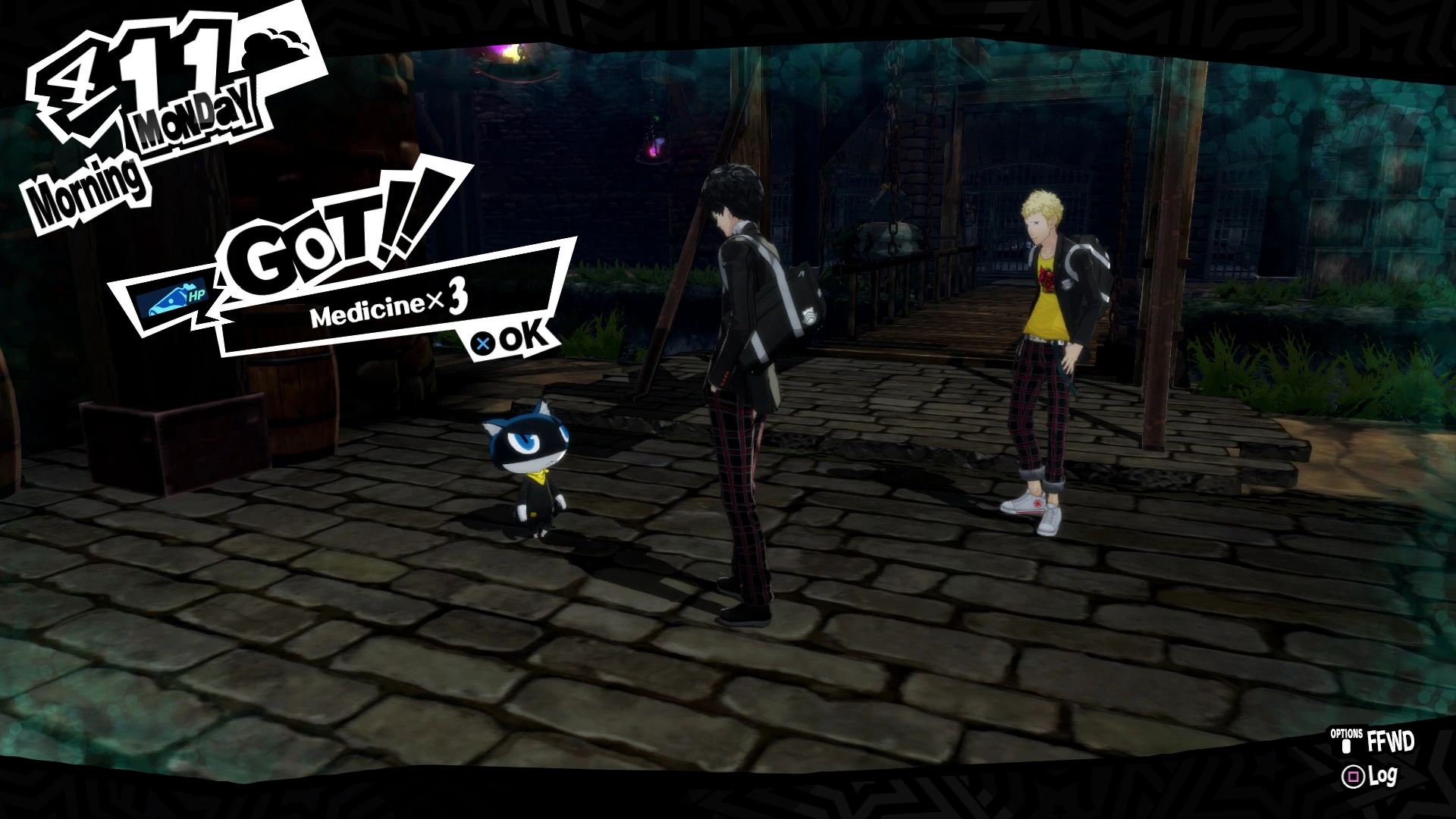
Persona 5 helped inspire Slate's high-contrast black-and-white design. I was drawn to the inverted panels and the way its user interface felt like part of the world itself.
Asad Nematov
Hatem Elmougy
Javier Martinez
Jayson Lopez
Sanjeev Varma
Muhammad Kamil
An ambitious ed-tech student project spanning the course of two years.
It was my early attempt at combining AI and ed-tech in a way that doesn't interfere with true learning.
It was also my introduction to the world of startups. Working with over 10 people and orchestrating tasks while racing towards go-to-market was one of the best experiences of my life. It taught me a lot about focus, distribution, customer discovery, and product clarity.
Designed to support executive function for college students, it centralized a myriad of studying tools in one clean workspace.
I worked across product design, user interface development, and the backend.
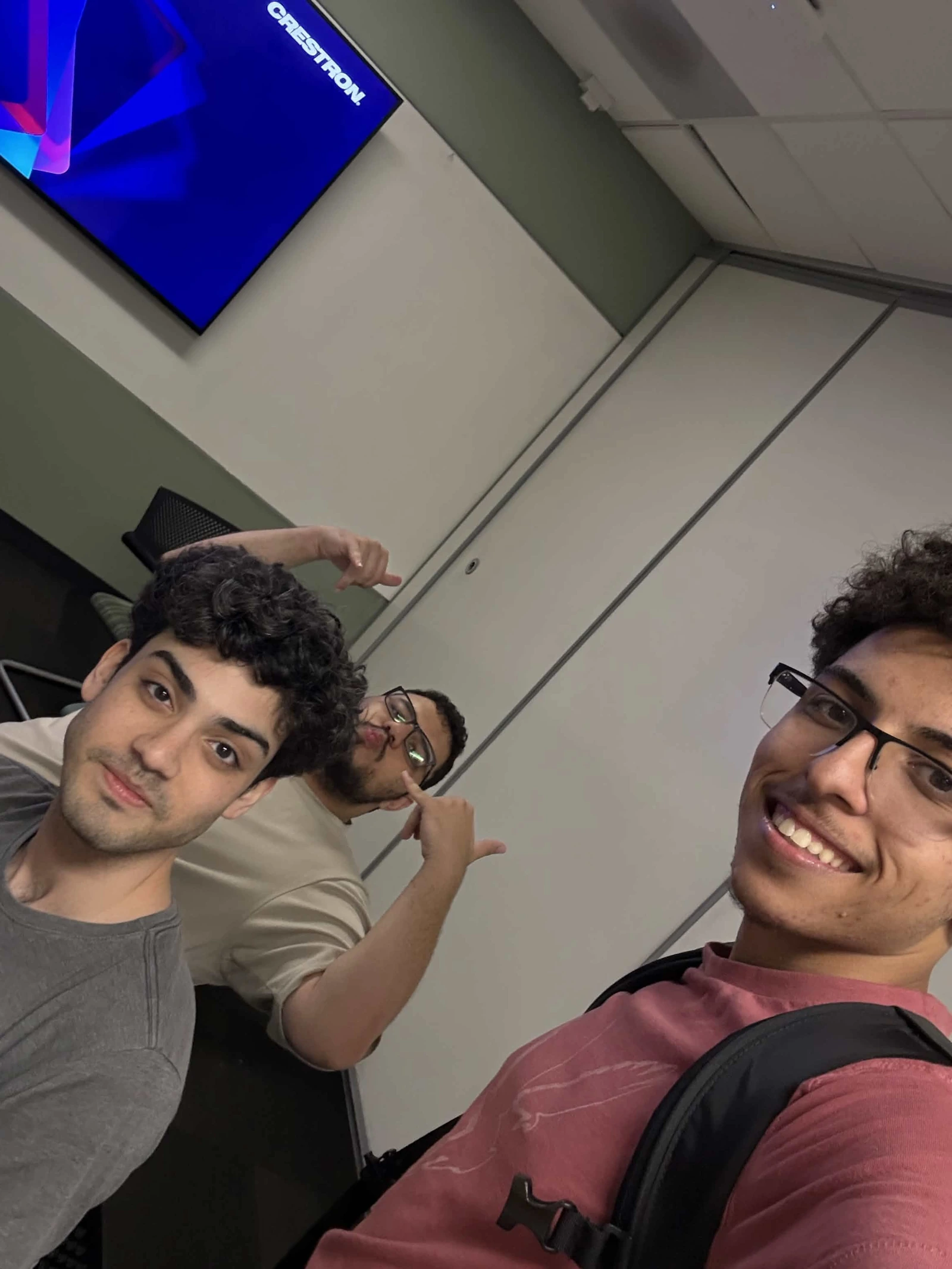
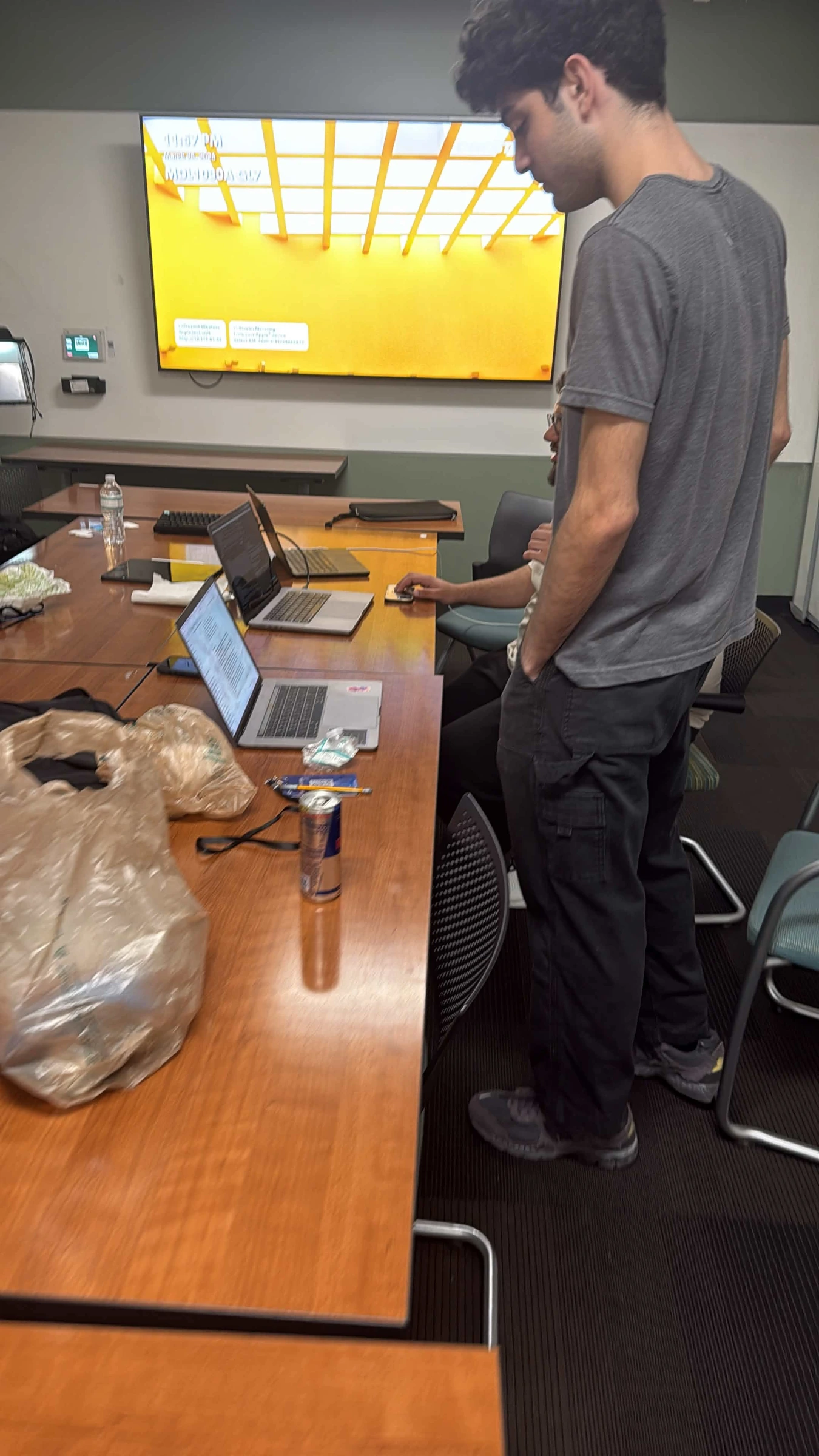
Hatem Elmougy, Omar Yousef and I built Raven at HackUSF 2026.
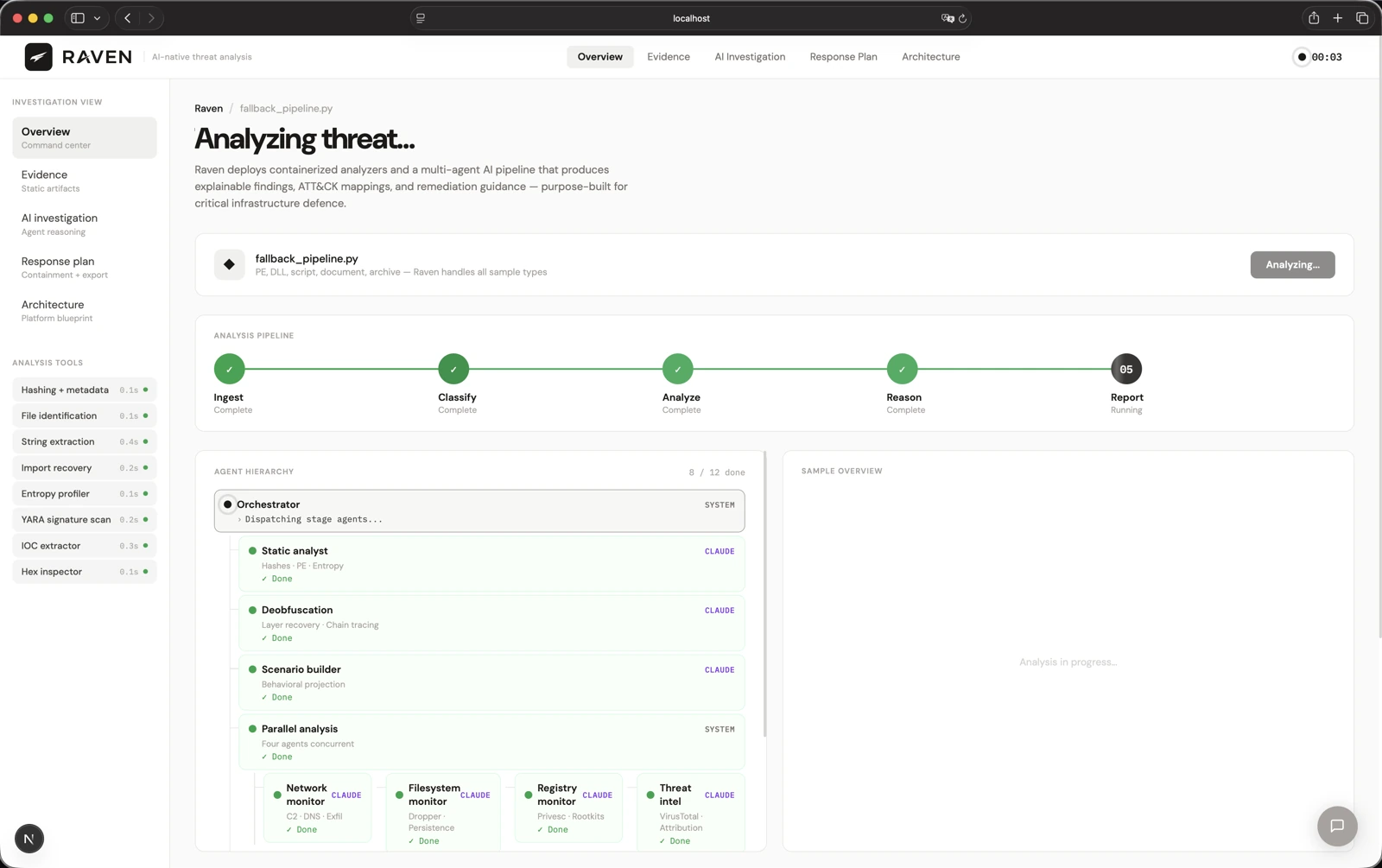
Raven inspects suspicious files through static analysis. NextEra Energy gave us a real malware sample for the challenge. We traced its hidden payload and found the Tanzanian domain it used to send out stolen data.
Claude worked through the obfuscated code in a Docker sandbox. We used YARA to check signatures and REstringer to unpack the JavaScript. ILSpy let us inspect the .NET payload underneath.
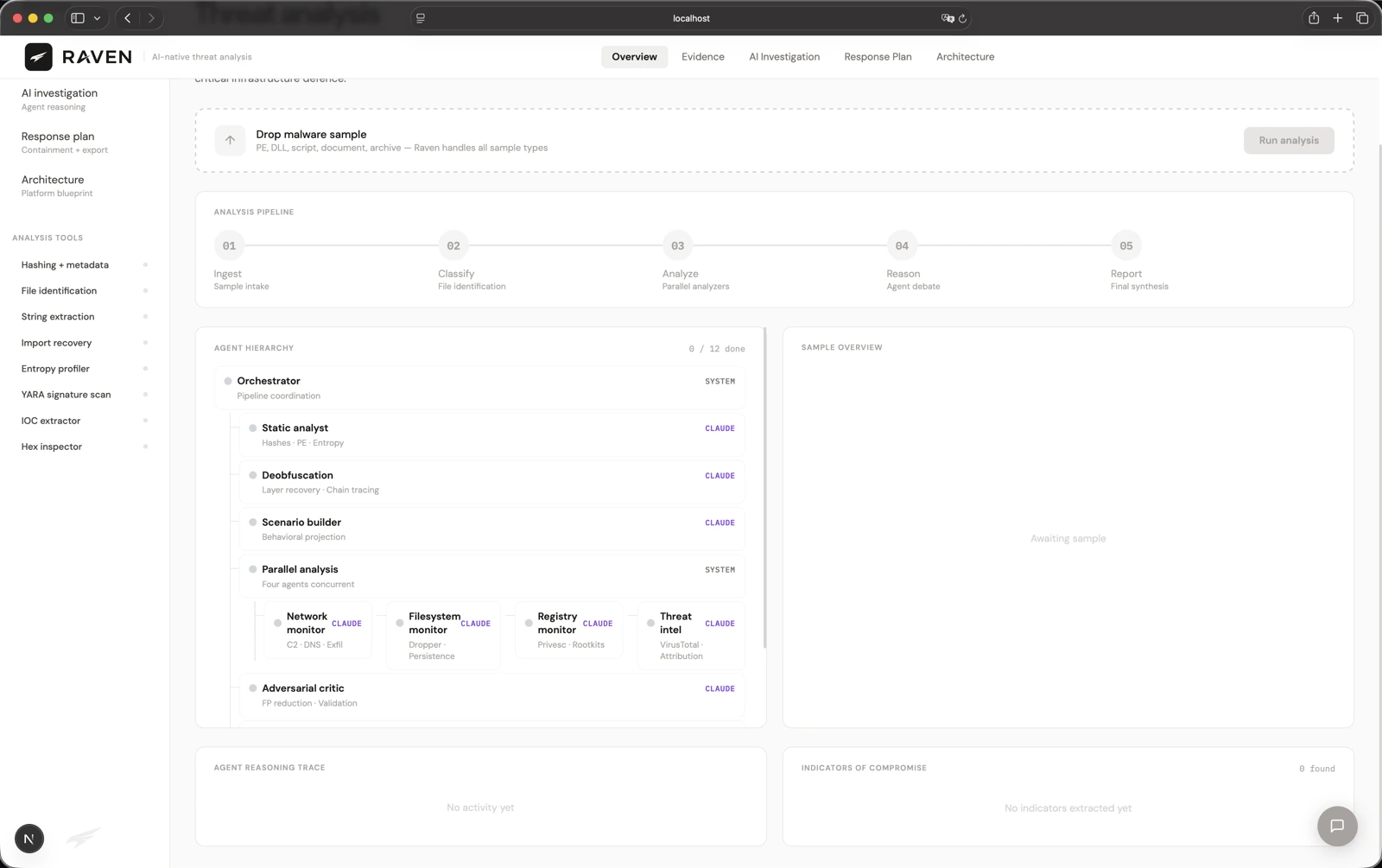
I designed and built the dashboard and wired it to the analysis backend. You could follow each finding back to its evidence or ask questions about the file.